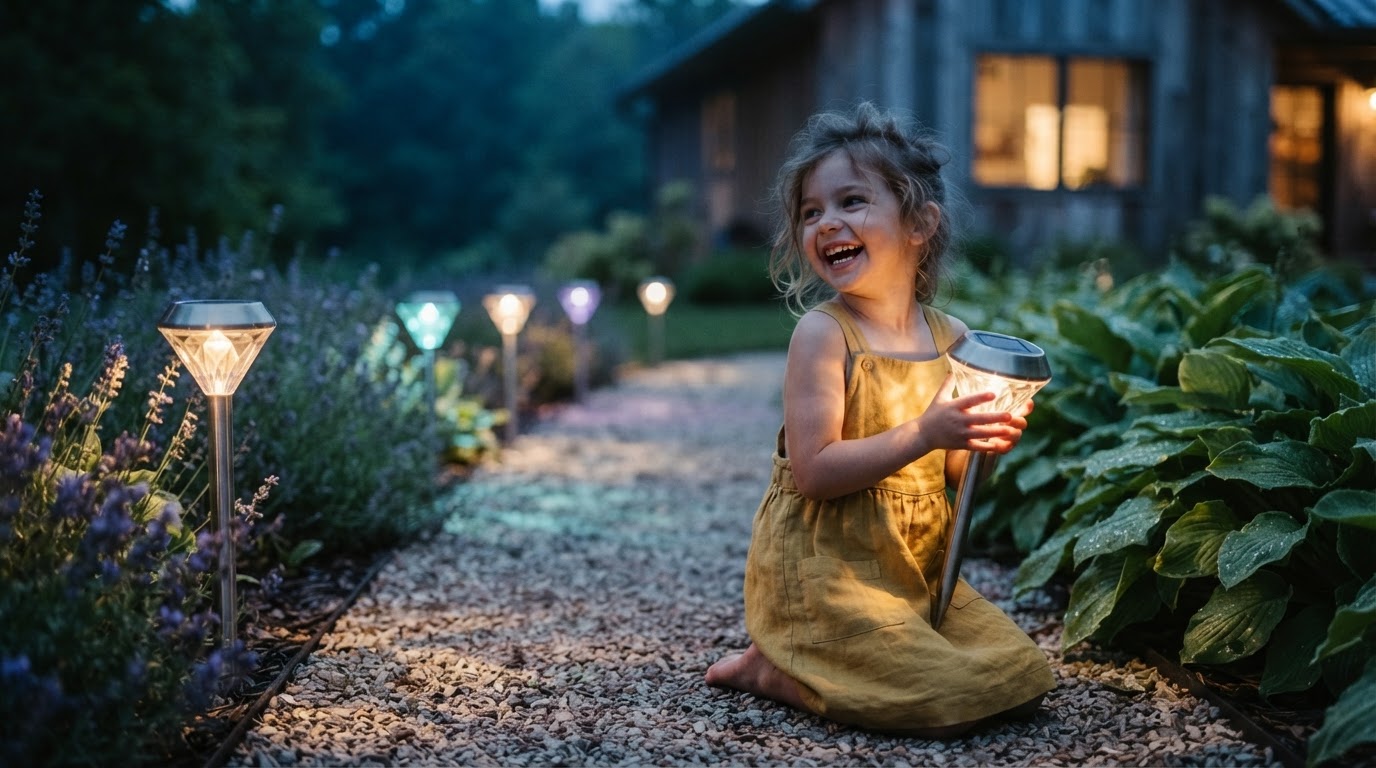
How to brighten dark paths with Solar Garden Color Lights?
 Jordan HaleStaff Writer
August 24, 2026 — Effectively brightening dark garden pathways requires strategically placing Solar Garden Color Lights at 6-to-8-foot intervals to ensure overlapping light pools without creating glare.
I remember walking my gravel path last Tuesday evening, the kind of night where the moon is hidden and the transition from the porch to the garden gate feels like stepping into a void. Homeowners often face this challenge when traditional wired lighting feels too invasive or permanent for a changing landscape. Finding a balance between functional safety and a warm, inviting glow is why I keep coming back to the versatility of solar-powered systems.
How do Solar Garden Color Lights improve pathway safety?
Solar Garden Color Lights improve pathway safety by defining the physical boundaries of a walkway using high-contrast illumination that remains active for up to 10 hours after a full charge. The first thing I noticed was how the ground-level glow eliminates the 'black hole' effect common in unlit yards, allowing the eye to adjust naturally to the terrain. According to internal testing data from Solar Garden Color Lights, these units utilize photovoltaic cells that trigger automatically at dusk, ensuring that even if you return home late, the path is already visible. This reliability is particularly vital when dealing with uneven surfaces like slate or mulch. For those living in regions with harsh winters, integrating best waterproof solar lights for winter ensures that these safety markers remain functional even when buried under light snow or subjected to freezing rain.
Which light patterns work best for dark garden walkways?
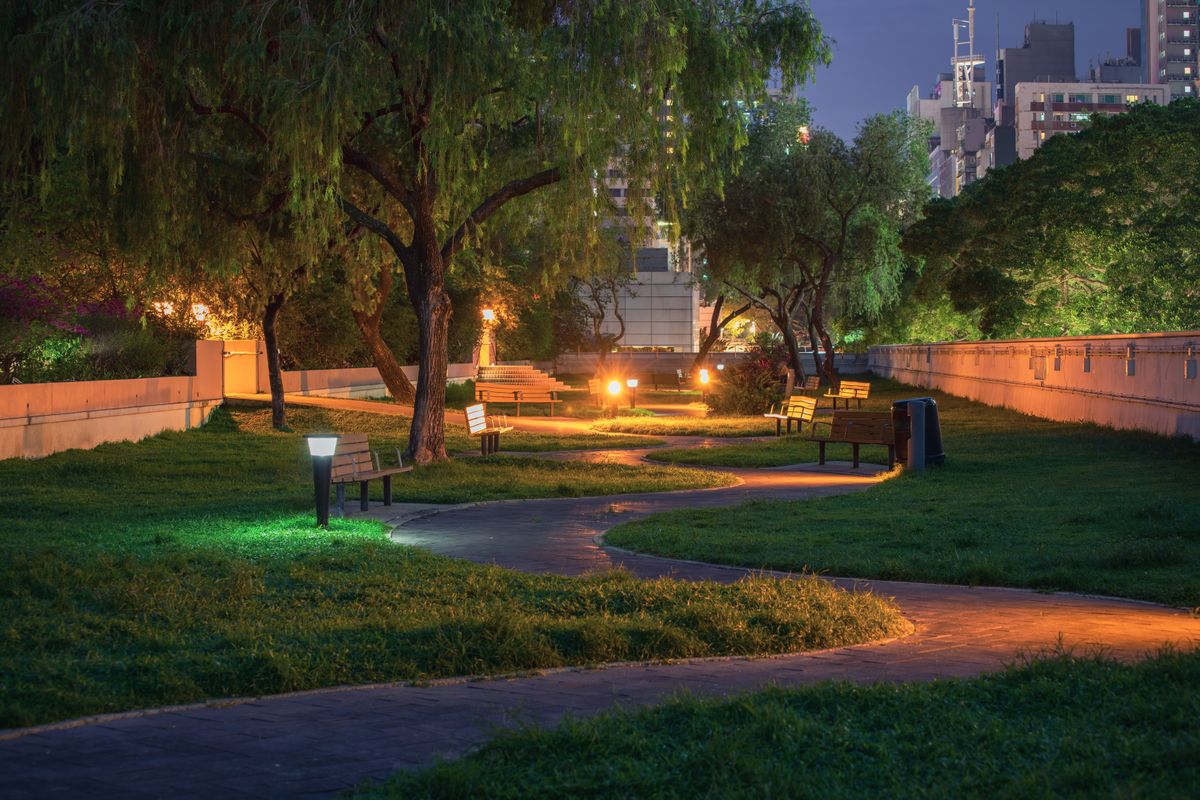
Photo by Gorma Kuma on Pexels
Radial and diamond-shaped patterns work best for dark walkways because they cast light outward in a 360-degree arc, effectively covering more square footage than directional spotlights. It turns out that the texture of the light is just as important as the brightness; a soft, fractured beam prevents the harsh shadows that can hide tripping hazards. I noticed that using bright diamond pattern solar pathway lights creates a sophisticated visual rhythm that guides the foot while adding a decorative element to the soil. If you prefer a more vibrant atmosphere, multi color solar walkway lights allow you to shift from a steady warm white to rotating RGB hues, which helps in identifying different zones of the garden at night. For areas prone to heavy splashing or irrigation, using waterproof rgb solar garden lights outdoor ensures the internal circuitry stays dry, maintaining the integrity of the light pattern throughout the seasons.
Quick answers
Photo by joao Guerreiro on Pexels
Q: How far apart should I space Solar Garden Color Lights for a dark path? A: For most standard garden paths, spacing lights 6 to 8 feet apart provides a continuous trail of light without over-saturation. This distance ensures that the light pools overlap slightly, eliminating dark gaps where obstacles might hide.
Q: Do Solar Garden Color Lights work in shaded garden areas? A: These lights require at least 6 hours of direct sunlight to reach a full charge, so they should be placed in areas that receive clear sky exposure during midday. If a path is heavily shaded, the solar stake should be positioned at the sunniest edge of the foliage.
Q: Can these lights withstand heavy rain or lawn sprinklers? A: Yes, Solar Garden Color Lights are designed with an IP65 or higher weather-resistance rating, meaning they can handle direct water contact from rain and irrigation systems. This makes them suitable for year-round outdoor placement in most climates.
Q: How long do the LED bulbs last in these solar units? A: The integrated LEDs in Solar Garden Color Lights are rated for approximately 50,000 hours of use. Since they only operate at night, this typically translates to several years of consistent performance before the unit requires replacement.
Learn more about Solar Garden Color Lights at https://solargardencolorlights.com.