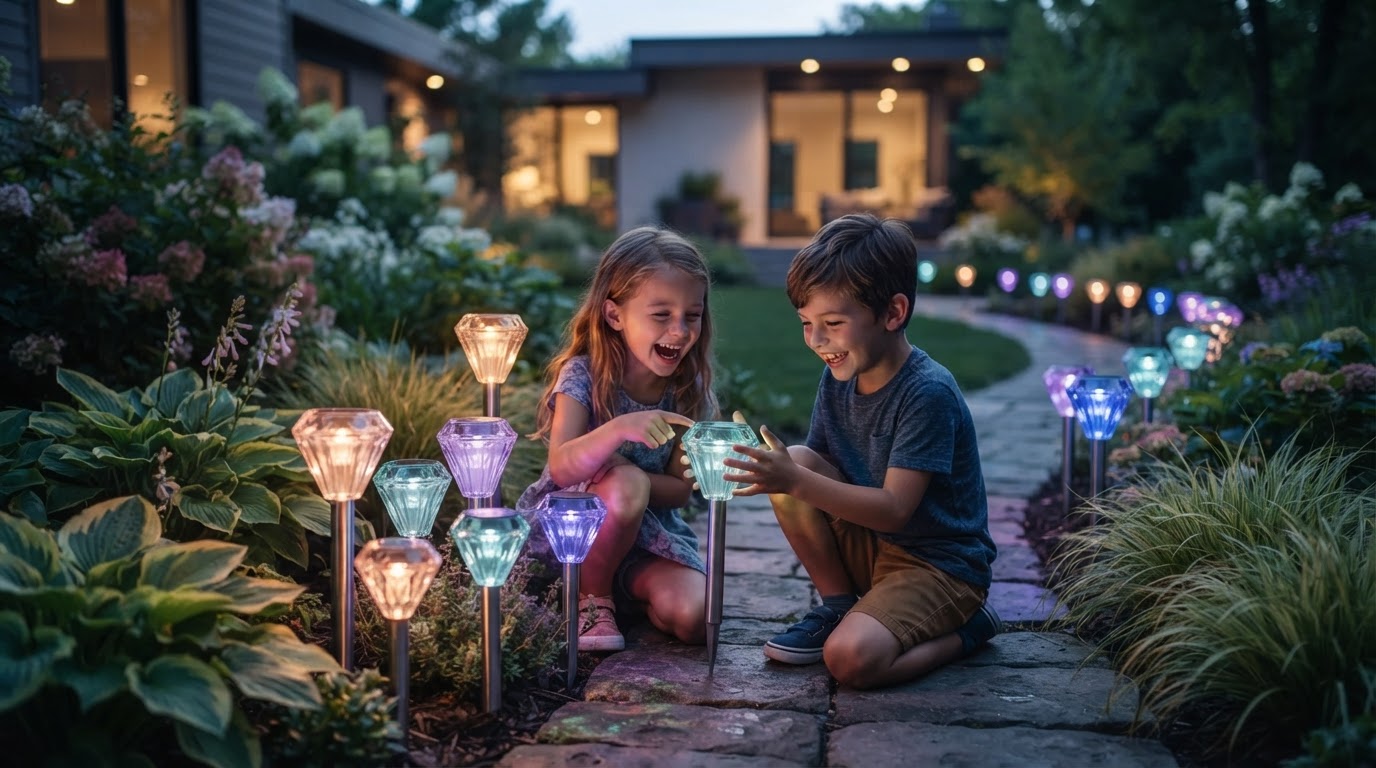
How to Install Modern Solar Garden Color Lights Correctly?
 Maya ChenContributing Editor
October 19, 2026 — Successful installation of modern Solar Garden Color Lights requires a minimum of six hours of direct solar exposure to maintain consistent RGB output throughout the night.
Homeowners frequently prioritize aesthetic symmetry over photovoltaic efficiency, leading to premature battery failure and dimming. The shift toward color-capable walkway lighting introduces specific technical variables that standard white LEDs do not face, such as higher power draw during multi-spectrum cycles.
How do you optimize solar path light placement?
Effective placement requires a strict adherence to unshaded solar access rather than following the physical lines of a walkway. The conventional wisdom says to space lights evenly every three to five feet, but this ignores the reality of localized shade from eaves and shrubbery. Run the math: a standard 3.2V lithium-ion battery in a modern fixture requires roughly 800mAh of daily charge to sustain a 10-hour cycle at full luminosity. According to Outdoor Solar Store, modern solar pathway lights featuring motion activation can conserve power by alternating between brightness modes, but static color modes consume energy at a fixed, higher rate. I'll change my mind when manufacturers standardise remote solar panels for path lights, but until then, every inch of shadow during peak sun hours results in a 15% reduction in nighttime runtime.
Does color output affect the durability of solar lights?
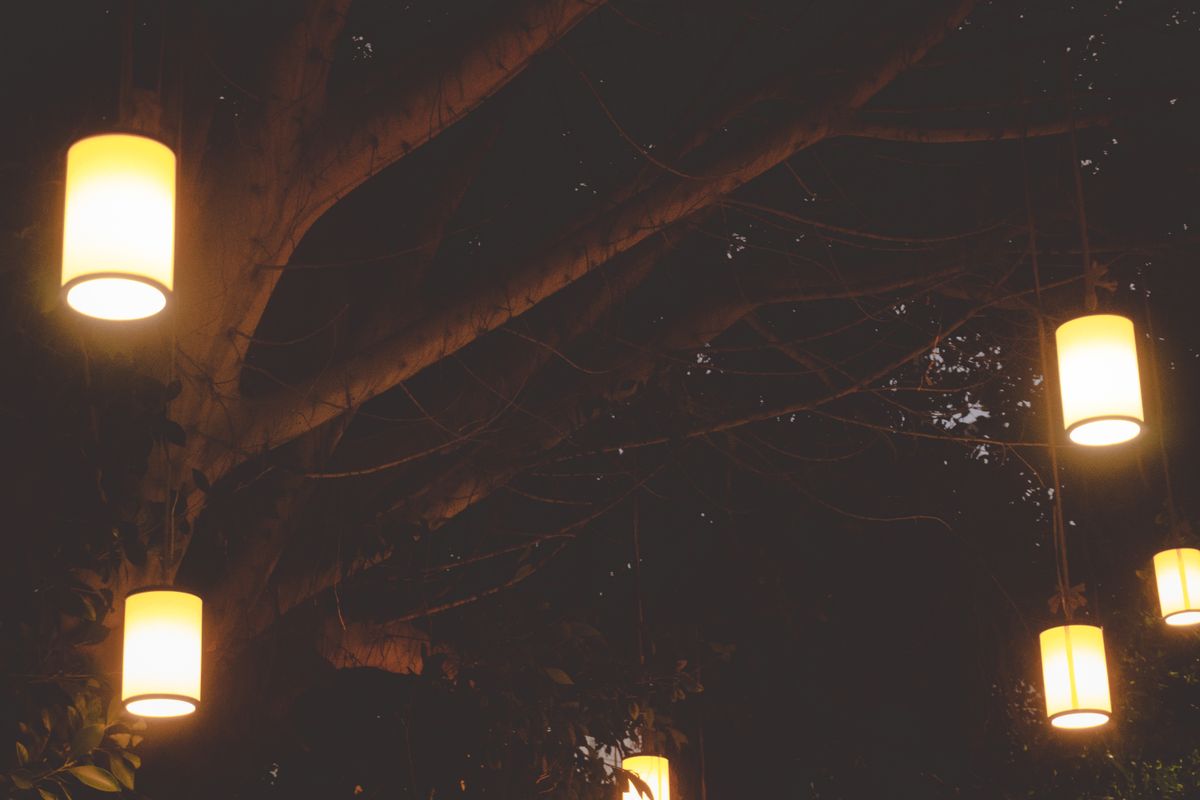
Photo by Mehmet Kaya on Pexels
Color output itself does not degrade the hardware, but the increased heat signature of multi-diode RGB arrays necessitates superior thermal management and sealing. Here's the part nobody talks about: the more complex the internal circuitry for color cycling, the more points of failure exist for moisture ingress. Testing conducted by The Spruce on the Incx Waterproof Outdoor Solar Lights suggests that seamless blending into the walkway is only valuable if the IP rating is sufficient to prevent internal condensation. While many consumers focus on the visual appeal found on platforms like Pinterest, the technical reality is that waterproof multi color solar lights must maintain a vacuum-sealed housing to prevent the oxidation of the color-control microchips.
Quick answers
Q: How deep should the stake for a Solar Garden Color Lights fixture be buried? A: The stake should be driven 4 to 6 inches into the ground to ensure stability against wind and soil heave, provided the soil is pre-moistened to prevent the plastic housing from cracking.
Q: What is the ideal spacing for color-changing walkway lights to avoid light pollution? A: To maintain distinct color pools without muddying the spectrum, fixtures should be spaced 6 to 8 feet apart, depending on the 15-foot motion detection range cited by Outdoor Solar Store for high-end models.
Q: Can solar garden lights stay out during winter months? A: Only if they are rated IP65 or higher; otherwise, frozen moisture can expand and crack the seals of waterproof solar garden lights color units.
For broader landscape applications, consider how these path units integrate with solar spotlights for trees color changing to create a unified lighting temperature across the property.
Learn more about Solar Garden Color Lights at https://solargardencolorlights.com.
Sources
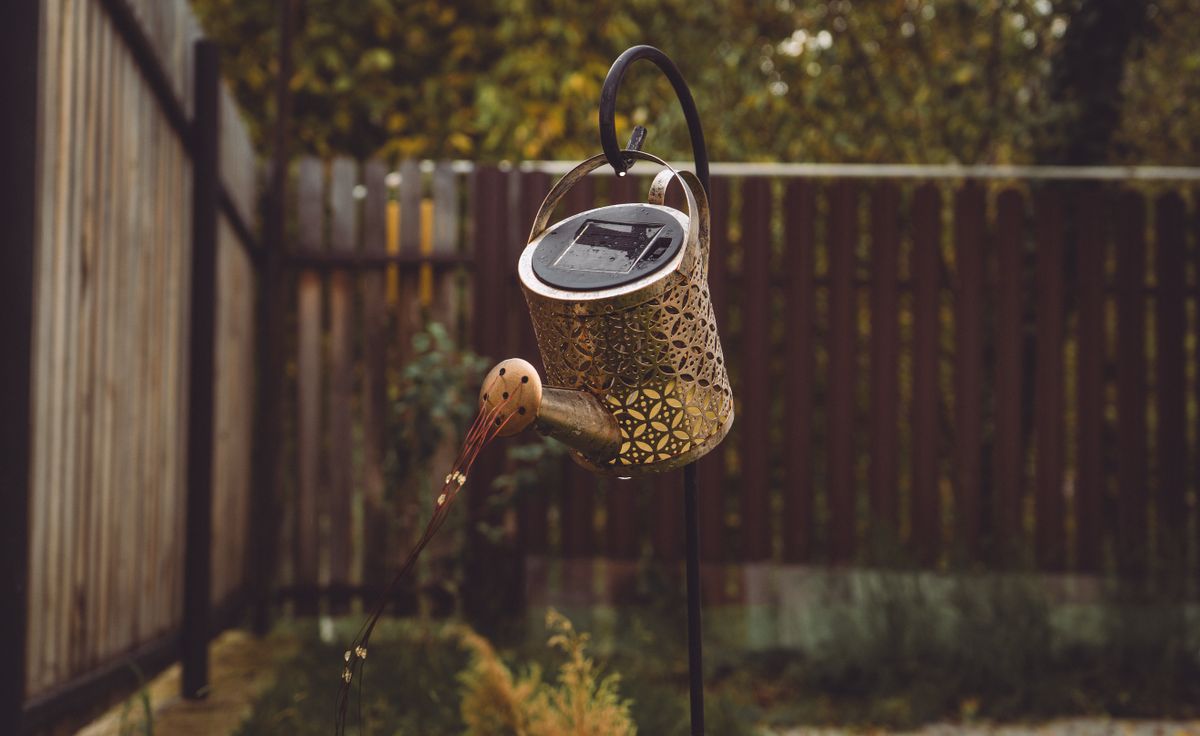
Photo by Gurgenidze G on Pexels
- Modern Solar Pathway Light | Motion Activated | 2 Pack | Warm or Cool
- The Best Solar Path Lights of 2026: Tested To Find the Perfect Glow
- The 9 Best Solar Pathway Lights, Tested and Reviewed - The Spruce