Managing Outdoor Ambiance with Solar Garden Color Lights
 Jordan HaleStaff Writer
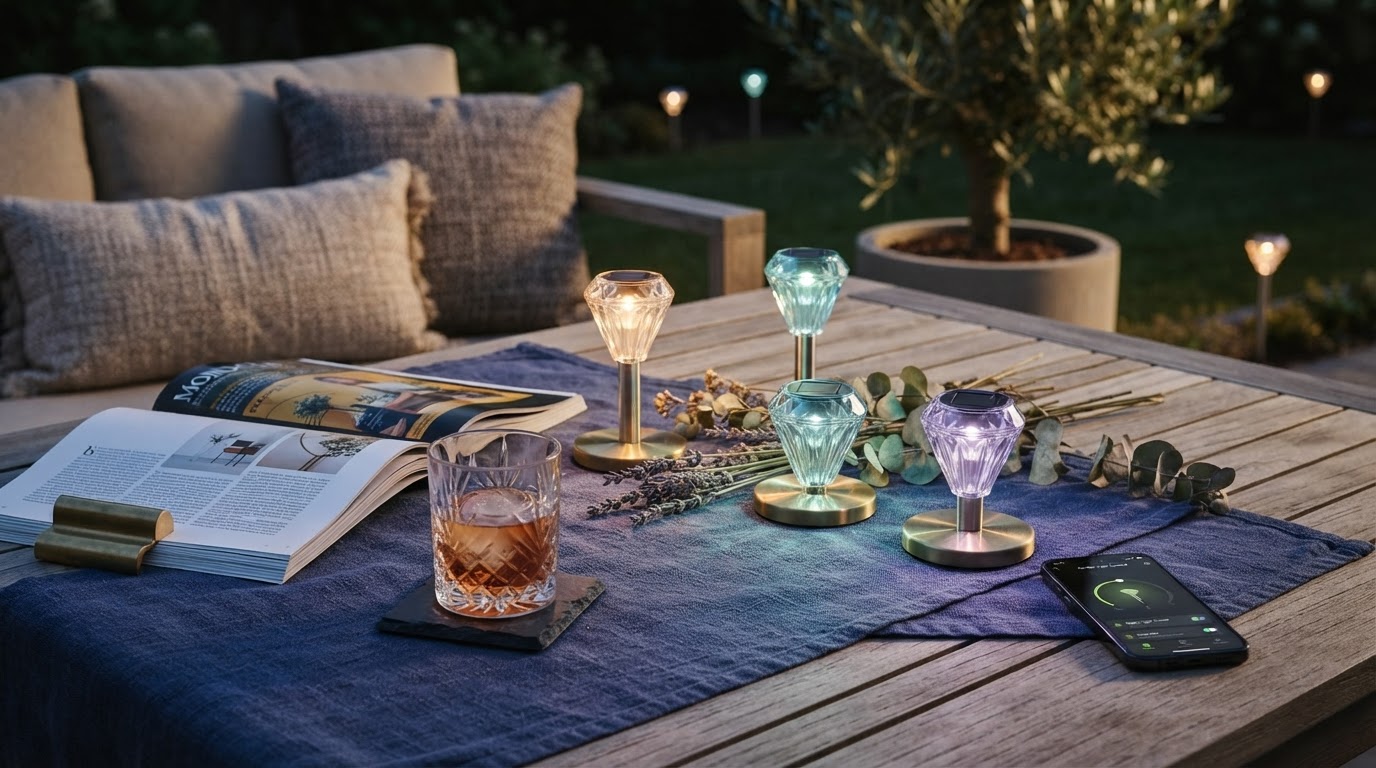
Transitioning a landscape from functional to atmospheric requires a nuanced approach to light and shadow. This examination of app-integrated systems is written for homeowners seeking to blend convenience with vibrant aesthetic control. standing on my back patio at dusk, watching the shadows stretch across the lawn. The air smelled of damp cedar and late-summer jasmine, but the yard itself felt flat, a dark void that swallowed the garden’s architecture. I wanted to paint the space with light, but the thought of digging trenches for low-voltage wiring felt like a chore I wasn't ready to invite into my weekend. the shift toward smart control has fundamentally changed how we interact with our outdoor spaces. While traditional systems required manual switches or rigid timers, the modern integration of wireless protocols allows for a more fluid experience. According to recent industry observations on Reddit regarding color changing solar pathway lights, the primary friction point for most users isn't the light itself, but the lack of granular control over when and how those colors appear. We often find ourselves stuck between a static white light and a frantic, rainbow-cycling mode that feels more like a carnival than a sanctuary. The emergence of app-based management solves this by allowing for precise scheduling and hue selection, ensuring that multi color solar garden lights serve the mood of the evening rather than dictating it. The integration of Solar Garden Color Lights into this ecosystem provides a bridge between sustainable energy and high-end design. It turns out that the technology has matured to a point where waterproof multi color solar lights are no longer just novelty items; they are robust tools for landscape layering. These units utilize high-efficiency photovoltaic cells to charge internal batteries, powering RGB LEDs that can be adjusted via a smartphone interface. This allows for specific zoning within a yard. You might want a warm amber glow for the outdoor color changing solar lights lining the stone path, while simultaneously casting a deep violet or teal onto the foliage of a Japanese Maple. The responsiveness is what makes the difference. Being able to dim the intensity from a phone while sitting around a fire pit means you never have to leave the conversation to adjust the environment. This level of control is a significant step up from solar landscape lighting with remote options, which often require a direct line of sight and have limited range. By using an app, the connectivity is more resilient, allowing for group control of solar garden color lights across a larger property footprint without the need for physical proximity to every single stake. Choosing the right system requires a framework that balances technical specs with the actual layout of your garden. A consistent detail is the idea that a light is only as good as its ability to stay powered through the darker months. When evaluating these systems, consider the density of the solar panels and the capacity of the lithium-ion cores. A light that looks brilliant at 8:00 PM but fades by midnight fails the primary mission of security and beauty. Somewhere around week two of testing, the placement of the master controller or the bridge—if the system uses one—is just as vital as the placement of the lights themselves. To ensure a seamless experience, follow this decision framework: Verify the Bluetooth or Wi-Fi range of the lights to ensure they can communicate with your home network or mobile device from the furthest point in the garden. Check the IP (Ingress Protection) rating to ensure the units are rated for heavy rain and sprinkler systems, specifically looking for waterproof multi color solar lights. Assess the app interface for "grouping" capabilities, which allow you to change the color of every light in a specific zone with a single tap. Look for scheduling features that allow the lights to sync with local sunset and sunrise times rather than a fixed clock. * Confirm that the solar panels are adjustable, allowing you to angle them toward the southern sky regardless of where the light fixture is pointed. Selecting a system that prioritizes these factors ensures that your investment in outdoor solar lights for garden decor remains functional year-round. The ability to shift from a crisp white for a summer dinner party to a soft, festive palette for the holidays—all from a screen—transforms the garden into a dynamic extension of the home. Shop Solar Garden Color Lights here.