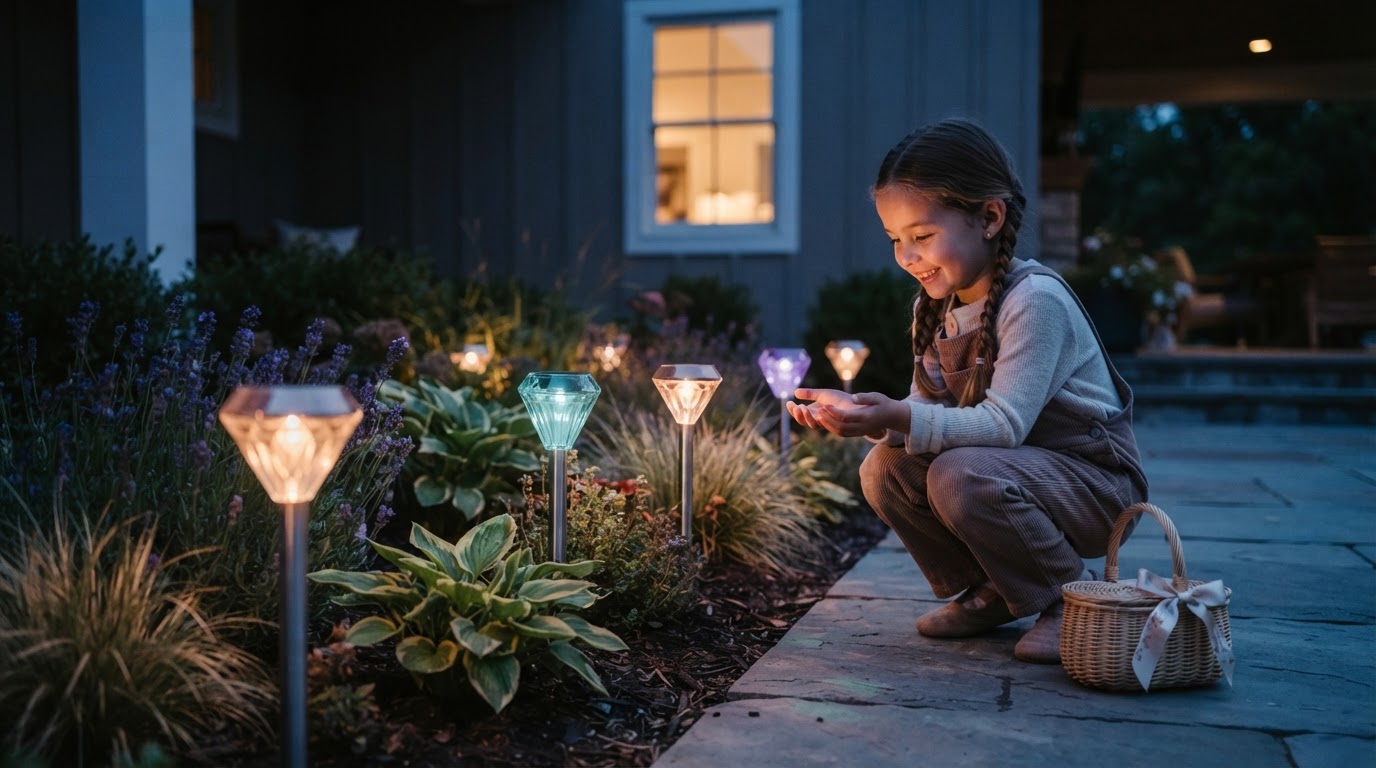
Lighting Flower Beds with Solar Garden Color Lights
 Sam VasquezBuying Guide Lead
August 9, 2026. Effective flower bed illumination requires a balance of light intensity and placement to highlight botanical textures without overwhelming the space. This guide is for homeowners looking to implement Solar Garden Color Lights to enhance their specific landscape features after sunset.
The Challenges of Traditional Flower Bed Illumination
Designing a lighting scheme for flower beds often presents a recurring set of technical obstacles. Most residential garden beds are located far from existing electrical outlets, making hardwired low-voltage systems a significant investment in both labor and materials. Beyond the infrastructure, the primary issue is visibility versus subtlety. Standard white floodlights often wash out the delicate hues of petals, turning a vibrant daytime garden into a stark, high-contrast monochrome scene at night. According to the International Dark-Sky Association, over-lighting in residential areas can also disrupt local nocturnal ecosystems, which makes the choice of low-impact, targeted illumination even more critical.
I have seen many homeowners struggle with dark pockets in their landscape where transitions occur between different plant heights. If you are integrating whimsical elements, you might find that solar garden color lights for fairy garden transitions provide the necessary bridge between structured flower beds and more playful areas. Without a thoughtful approach, lighting often looks like a series of disconnected bright spots rather than a cohesive design. The goal is to move beyond simple visibility and toward a system that respects the natural architecture of the plants. If you're on a budget, you might be tempted to buy the cheapest plastic stakes available at a big-box store, but these frequently lack the weatherproofing required to survive more than one season of irrigation and rain. Skip this if you are planning a permanent, high-voltage professional installation that requires trenching and permits; these solar options are designed for flexibility and ease of use.
Implementing Solar Garden Color Lights in Dense Foliage
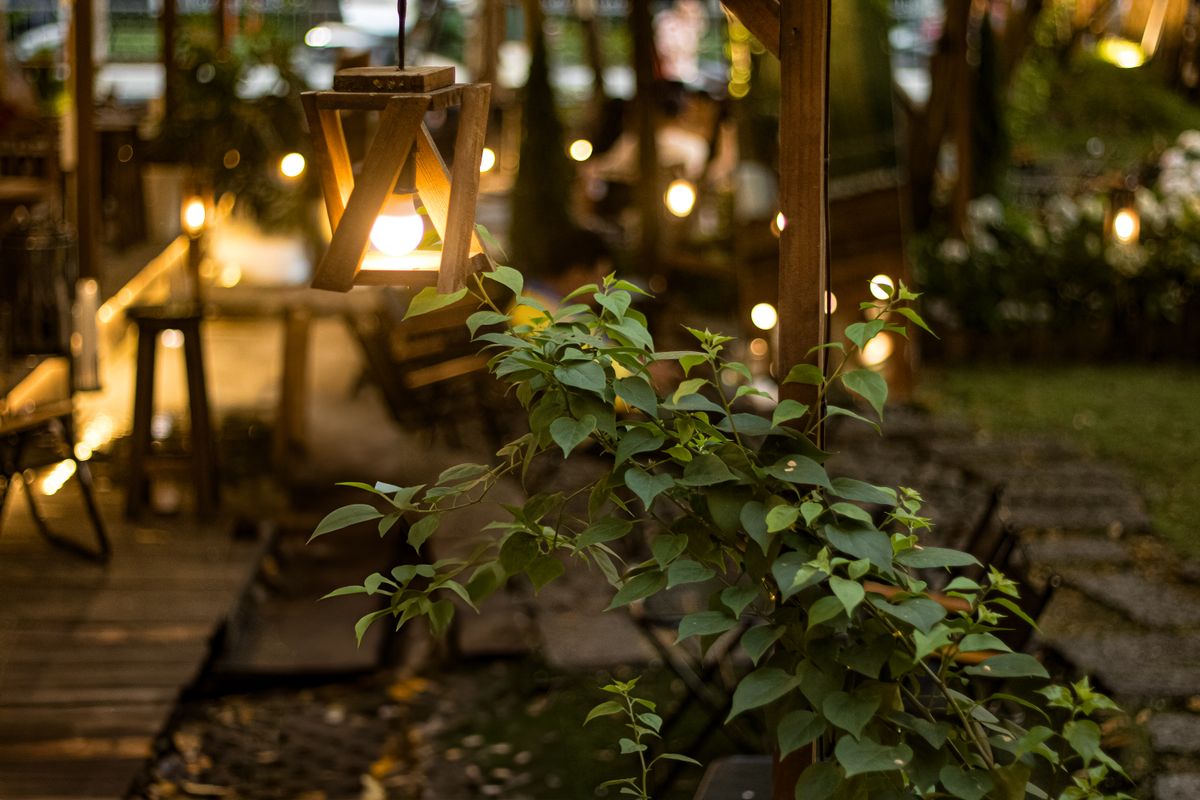
Photo by Duy's House of Photo on Pexels
Solar Garden Color Lights resolve the power access issue by utilizing integrated photovoltaic cells that charge during the day. In a flower bed setting, the placement of these units is dictated by the sun's path and the height of the surrounding plants. To get the most out of these fixtures, they must be positioned where the solar panel receives at least six hours of direct light, even if the light-emitting head is tucked slightly under a canopy to provide a soft glow. This is particularly important when evaluating how solar flower lights for garden colors compare to traditional path lights; the former are designed to blend into the foliage rather than sit on top of it.
When I am setting up a new bed, I focus on layered lighting. I place taller fixtures toward the back of the bed to silhouette larger shrubs and use smaller, color-changing globes toward the front to define the border. Between these two, I'd go with the color-changing globes for the front edge because they provide a softer transition to the lawn. This layering technique prevents the "flat" look that occurs when all lights are at the same height. If you are managing a larger property, you should consider if decorative solar yard lights color changing units are needed to maintain consistency across the entire yard. The internal circuitry of these lights allows for a gradual shift in hues, which can be synced to match the natural bloom colors of your perennials, creating a more sophisticated look than static white light. The ease of installation means you can move the lights as the seasons change and different plants come into bloom, a task that is nearly impossible with wired systems.
A Framework for Flower Bed Lighting Success
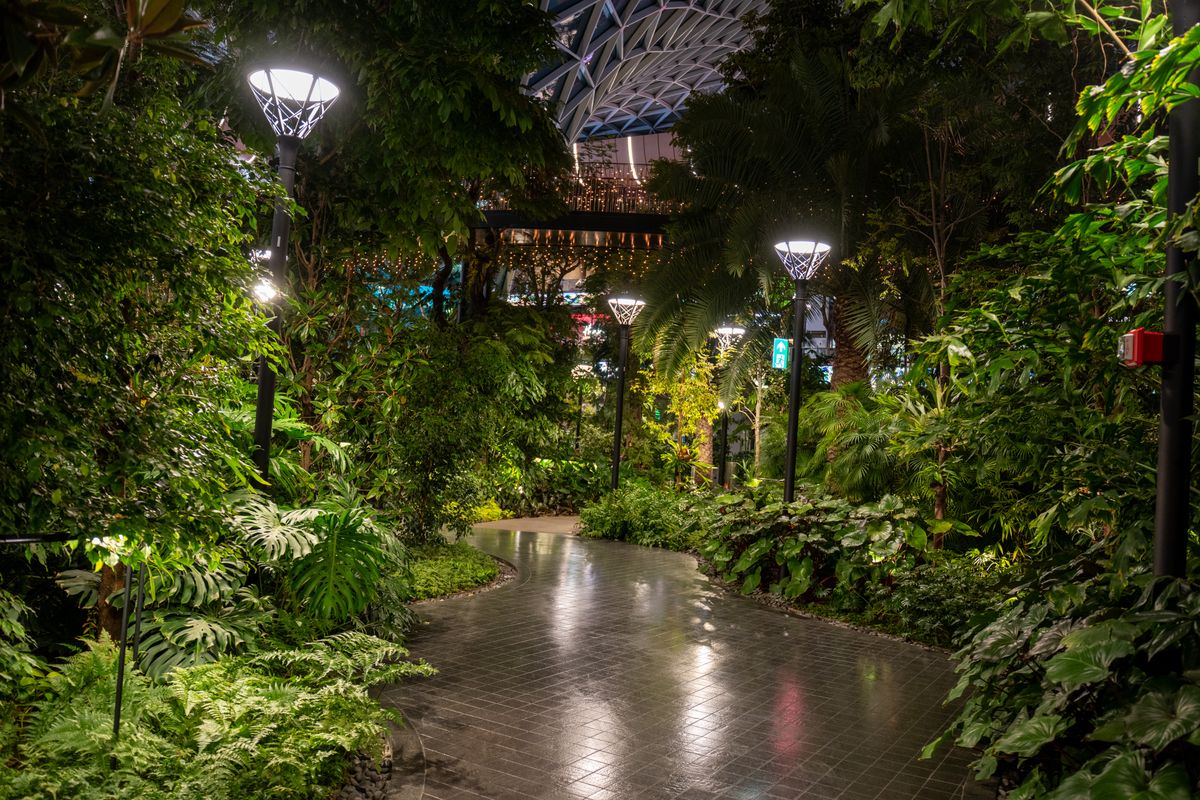
Choosing the right setup involves more than just picking a color. You need to consider the density of your planting and the specific reflective qualities of your flowers. Darker foliage absorbs more light, while white or pale yellow flowers will reflect it, often appearing much brighter than anticipated. Here is what I'd actually buy: a mix of adjustable spot-style solar lights for larger focal points and diffused globes for general fill light.
To ensure your installation remains functional and aesthetically pleasing, follow this decision framework:
- Assess the daily sun exposure for each potential placement site to ensure a full battery charge.
- Map out your plant heights to avoid placing solar panels in the permanent shadow of fast-growing perennials.
- Test the color output against your specific flower varieties to ensure the light enhances rather than clashes with the blooms.
- Verify the IP (Ingress Protection) rating of the fixtures to ensure they can withstand your local climate and irrigation frequency.
- Clean the solar panels every few months with a damp cloth to maintain maximum charging efficiency.
Shop Solar Garden Color Lights here.