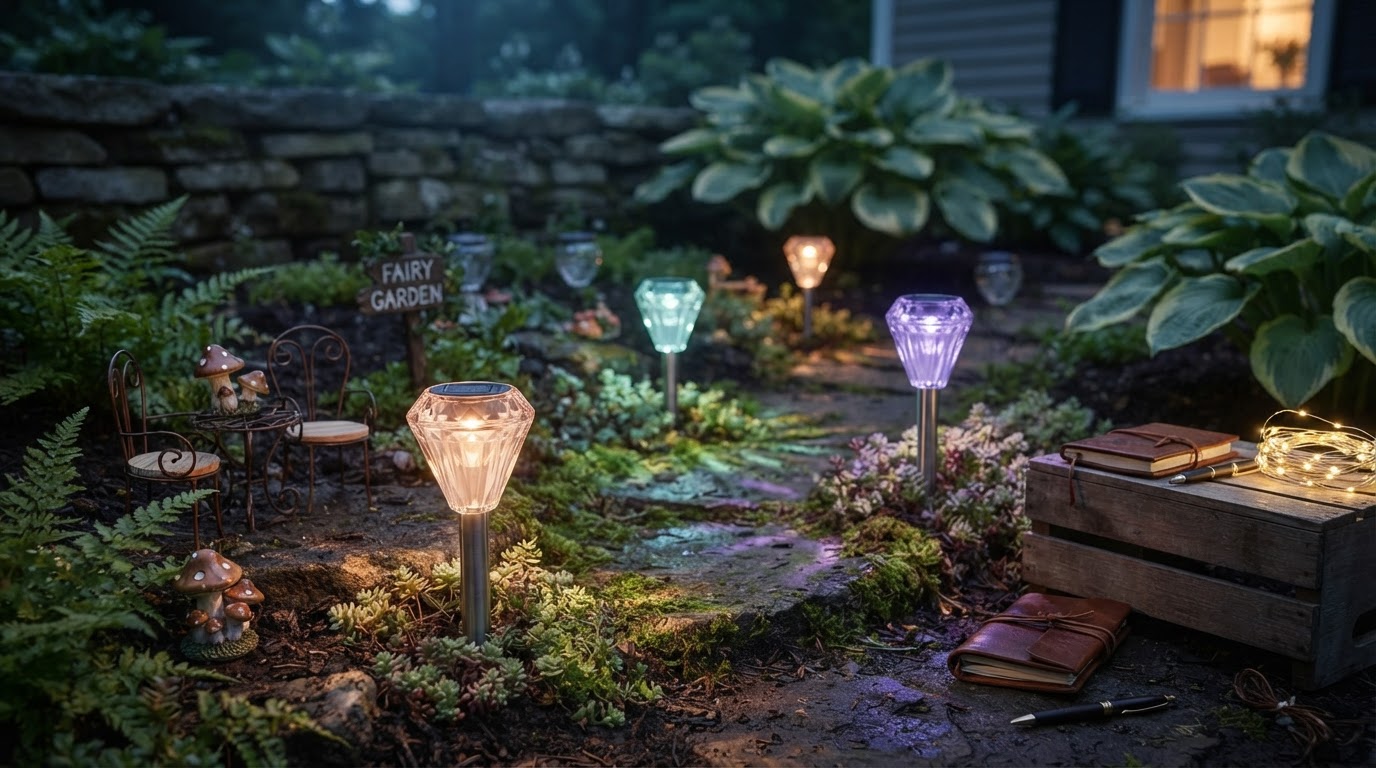
Solar Garden Color Lights for Fairy Garden Transitions
 Maya ChenContributing Editor
August 6, 2026. This analysis evaluates the functional lifespan and aesthetic utility of solar fairy garden color changing globes in residential landscapes. It is intended for homeowners seeking to move beyond static, single-source lighting in favor of dynamic, automated color cycles.
The Limitations of Static Garden Illumination
The conventional wisdom says that garden lighting should be functional first, focusing on safety and path visibility. However, this narrow focus ignores the psychological impact of color temperature and the shifting needs of a multi-season landscape. Standard white LEDs often fail to highlight the textural nuances of a well-curated fairy garden, where small-scale details are easily washed out by high-intensity beams. According to LEDBE, many modern lighting systems now incorporate 17-key remotes to allow users to toggle between eight distinct working modes, a feature that addresses the static-light problem by providing granular control over the environment. Here's the part nobody talks about: most consumers underestimate the complexity of maintaining consistent color output across a large yard. When you integrate decorative solar yard lights color changing, the challenge becomes synchronizing the transition speeds so the garden doesn't look like a chaotic light show. Without a unified system, the "fairy" aesthetic quickly devolves into a visual distraction rather than a cohesive design choice. The reliance on cheap, non-waterproof components in the broader market further complicates this, as moisture ingress can shift color hues permanently before the battery fails.
Technical Performance of Solar Garden Color Lights
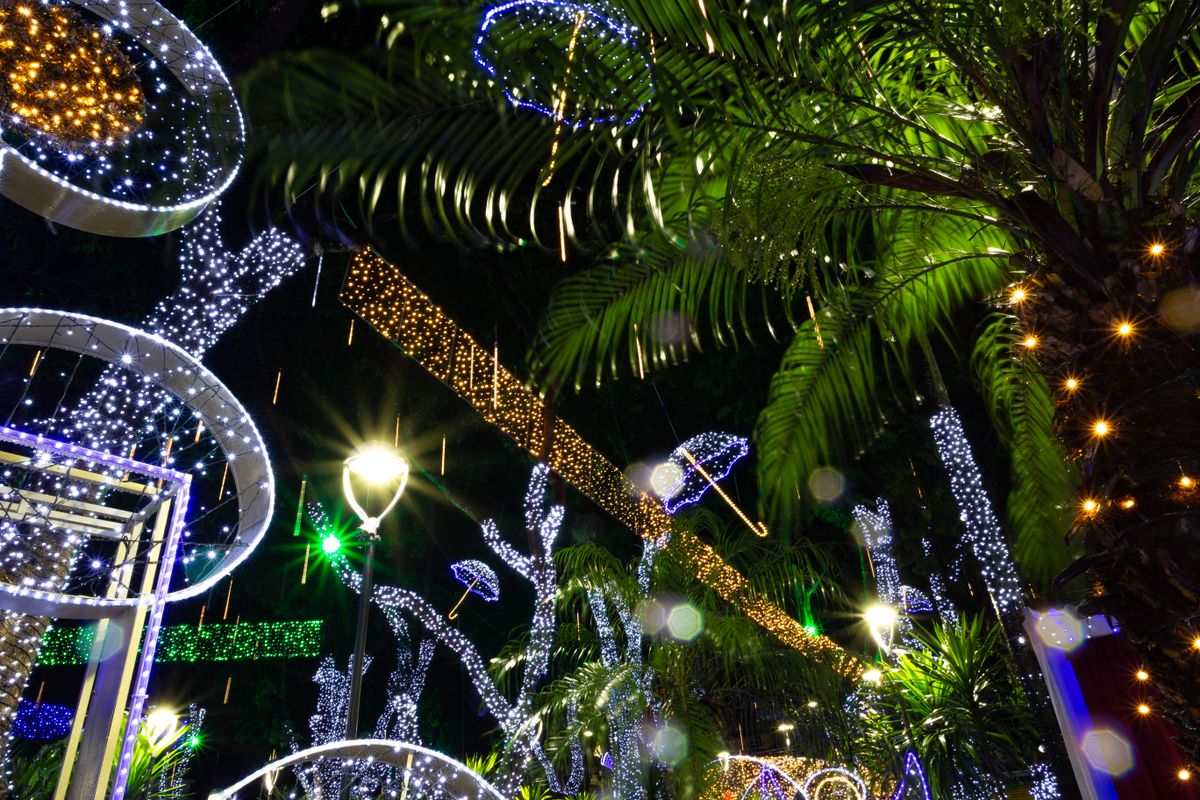
Photo by Marcelo Chagas on Pexels
Solar Garden Color Lights addresses these technical hurdles by prioritizing the duration of the discharge cycle and the integrity of the housing. While many entry-level globes lose their color intensity after three or four hours, specific hardware configurations allow for much longer operational windows. As noted in a technical review by Best Solar Garden Lights Outdoor, high-quality solar units can run for approximately 8 to 12 hours after a full charge, specifically designed to withstand rain and varying outdoor conditions. This longevity is critical for maintaining the "glow" effect through the early morning hours. When placing these globes alongside solar flower lights for garden colors, the consistency of the internal solar panels ensures that the entire array activates and deactivates at the same ambient light threshold. Run the math: a globe that only lasts four hours leaves your garden dark by midnight, effectively wasting the solar energy captured during the peak daylight hours. By using high-efficiency photovoltaic cells, these globes ensure that the color-changing cycle remains vibrant even during the shorter days of autumn. This reliability is essential when lighting specific features, such as an outdoor solar flower bed lighting setup, where the globes act as anchor points for the surrounding floral displays.
A Framework for Selecting Fairy Garden Globes
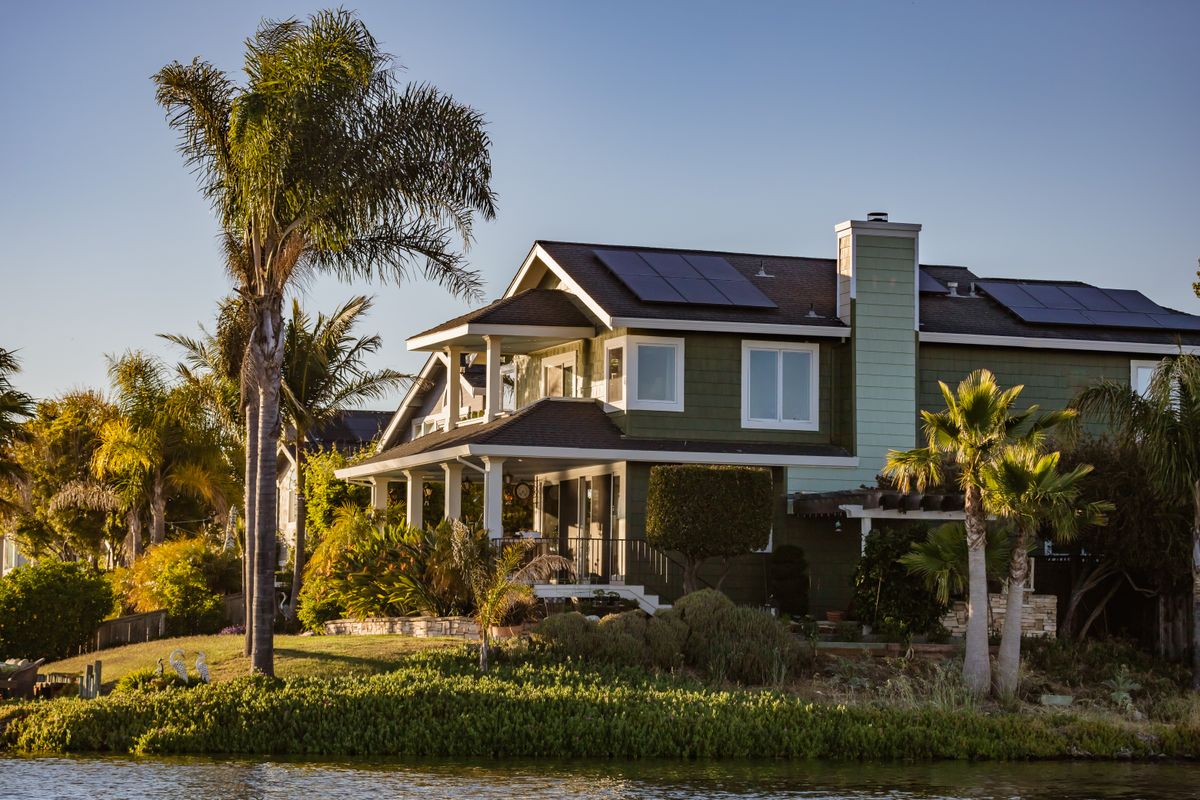
Choosing the right globe requires moving past the aesthetic appeal and looking at the hardware specifications. The market is saturated with statuaries that look good in a catalog but fail in the field. eBay listings for Solar Fairy Flower color changing Ball Statue Light Garden Decor confirm that these units are designed to turn on automatically, but the user must verify the placement to ensure the sensors aren't blocked by foliage. To achieve a professional-grade fairy garden, you must balance the placement of globes with other specialized units like solar flower lights for garden colors to avoid dark spots. I’ll change my mind when manufacturers can guarantee a 24-hour cycle on a two-hour charge, but until then, placement is everything. Consider the following checklist before finalizing your layout:
- Verify the IP (Ingress Protection) rating to ensure the globe can survive direct irrigation spray.
- Check the battery mAh rating to confirm it supports the claimed 8-12 hour runtime.
- Assess the sensor sensitivity to ensure the globes don't flicker during twilight transitions.
- Coordinate the color cycle speed with decorative solar yard lights color changing units to maintain visual harmony.
- Position the solar panels at a 30-degree angle toward the southern sky for maximum energy absorption.
- Evaluate the light diffusion of the globe material to ensure the color is even and not spotted.
Shop Solar Garden Color Lights here