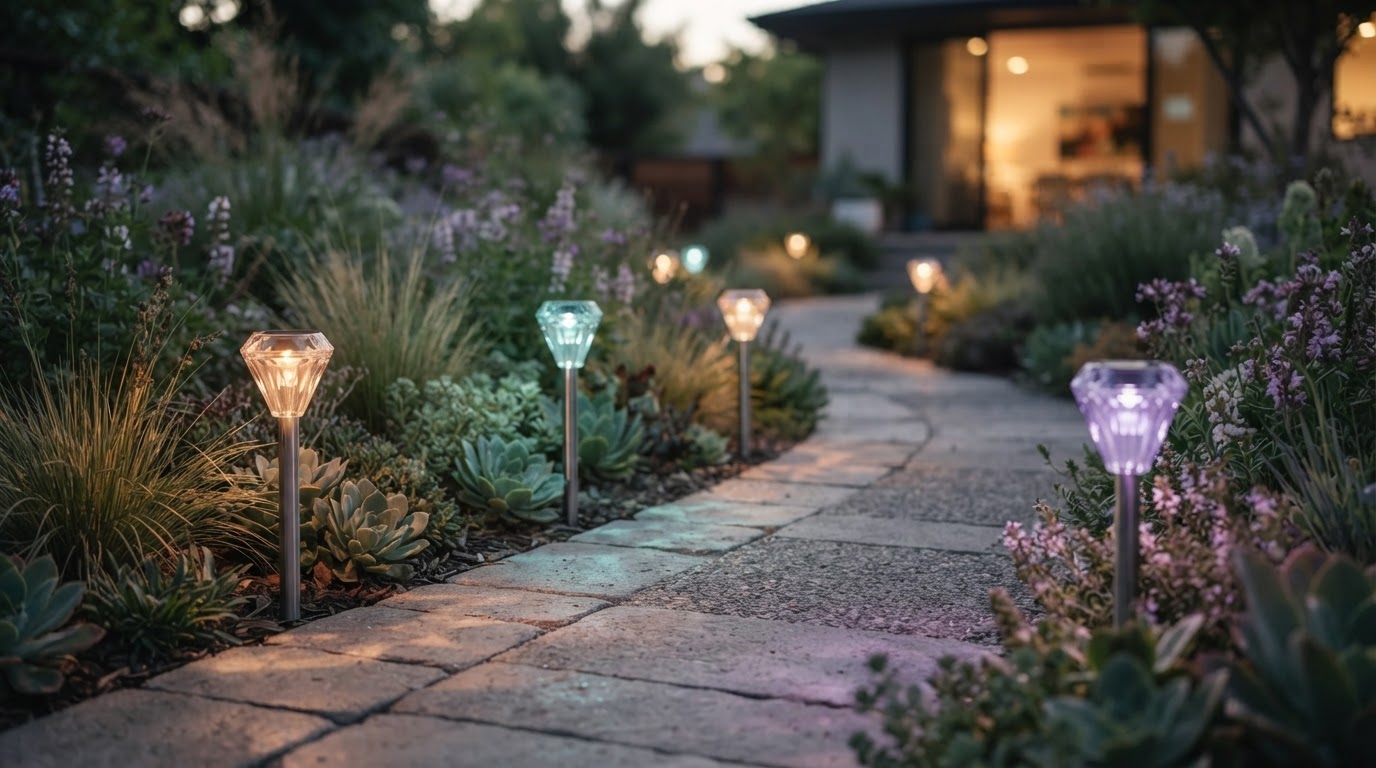
Are Solar Garden Color Lights Worth the Investment?
 Maya ChenContributing Editor
August 21, 2026 — Solar Garden Color Lights provide a measurable utility for seasonal versatility and navigation, provided the hardware utilizes high-capacity lithium batteries and multi-chip LEDs.
Property owners frequently weigh the aesthetic appeal of RGB systems against the perceived reliability of static white bulbs. The conventional wisdom says that color-changing units are strictly decorative novelties, but this ignores the evolution of integrated circuit efficiency in modern outdoor solar lights for garden decor.
Do color changing solar lights last as long as white LEDs?
High-quality color changing solar lights maintain a similar lifespan to white LEDs because the underlying hardware often uses the same 5050 or 2835 SMD chip architecture. Here’s the part nobody talks about: the longevity of the light is not determined by the color output but by the waterproof rating and the discharge cycle of the battery. Data from consumer search trends indicates a high demand for waterproof multi color solar lights, with 1,800 monthly impressions specifically targeting units that can withstand moisture ingress. While a standard warm white LED might pull a consistent low voltage, an RGB chip in a Solar Garden Color Lights system uses a controller to modulate power, which can actually extend battery run-time if set to a single color like red or green, which require lower forward voltage than white.
Does the color output affect path safety and visibility?
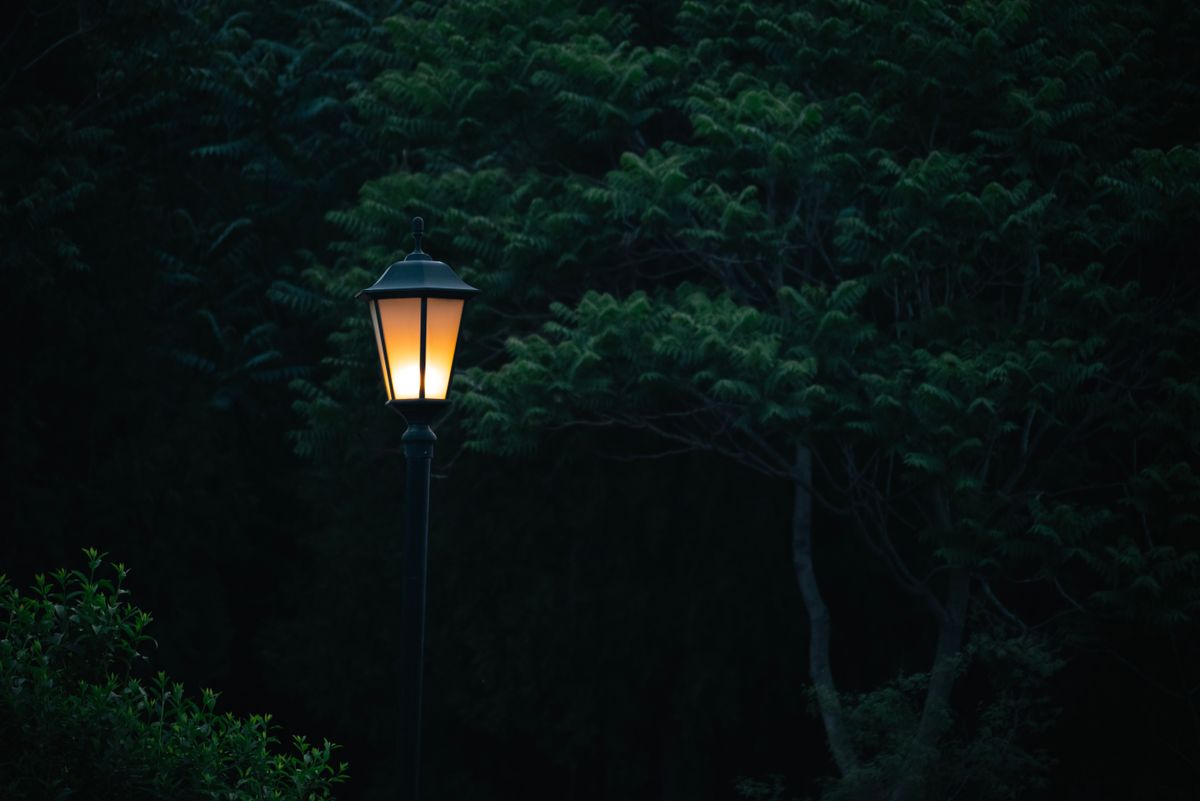
Photo by Star Zhang on Pexels
Color output significantly alters depth perception and contrast, which is a critical factor when optimizing Solar Garden Color Lights for path navigation. Run the math: a blue or violet light spectrum provides lower visual acuity for the human eye at night compared to the 3000K range found in color changing vs warm white solar lights comparisons. However, the value proposition changes when using solar landscape lighting with remote systems. These allow a user to switch to high-visibility white for safety during standard use and transition to RGB for events. The investment is justified only if the system allows for this granular control, rather than cycling through a fixed, low-intensity rainbow pattern that fails to illuminate ground-level obstacles effectively.
Quick answers
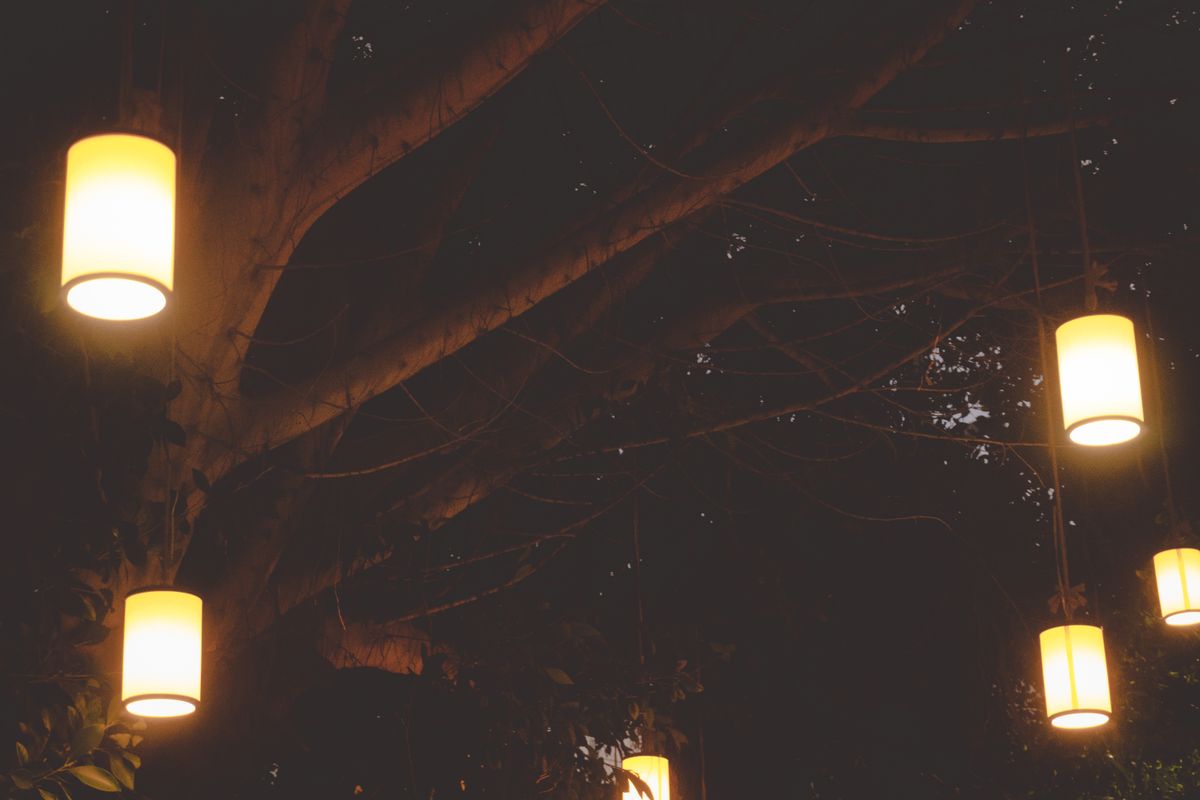
Photo by Mehmet Kaya on Pexels
Q: How many hours do color changing solar lights stay lit? / A: Most Solar Garden Color Lights units equipped with a 1200mAh battery provide 8 to 10 hours of illumination after a full 6-hour charge in direct sunlight. Red and green spectrums typically last 15% longer than blue or white due to lower power draw.
Q: Can these lights stay outside during winter? / A: Units with an IP65 waterproof rating can remain outdoors, but battery capacity will drop by approximately 30% when temperatures fall below 32 degrees Fahrenheit. The Solar Garden Color Lights housing is designed to prevent internal condensation during these temperature swings.
Q: Are the colors bright enough to light a large tree? / A: Most RGB solar spotlights for yards produce between 100 and 200 lumens. While sufficient for accenting a trunk or lower canopy, you would need at least three separate Solar Garden Color Lights fixtures to fully illuminate a tree taller than 15 feet.
Q: Do I need a separate remote for every light? / A: No, the best color changing solar garden lights usually operate on a universal infrared or RF frequency, allowing one remote to sync with an entire zone of fixtures simultaneously.
I’ll change my mind when integrated solar panels can maintain a 100% charge under full shade conditions, but until then, the value of these lights depends entirely on placement in unobstructed sunlight. Learn more about Solar Garden Color Lights at https://solargardencolorlights.com.