Solar Garden Color Lights and the Smart Control Framework
 Priya RamanSenior Analyst
August 2, 2026 — The integration of mobile applications into landscape lighting has reached a critical inflection point, as Solar Garden Color Lights now offer precision control over outdoor aesthetics through centralized digital interfaces. This shift represents a move away from static hardware toward dynamic, software-defined environments where homeowners can modify their surroundings in real-time.
Modern landscape architecture increasingly relies on these adaptive systems to bridge the gap between permanent structures and fluid environmental design. According to current standards in the Internet of Things (IoT) sector, the stability of a smart lighting ecosystem depends on the synergy between hardware durability and the responsiveness of the control software. When evaluating these systems, think of it as a matrix of connectivity, color fidelity, and energy efficiency. This framework allows users to move beyond simple illumination and toward a managed atmospheric experience that responds to specific events or seasonal shifts.
The Three-Axis Control Framework

Photo by Maximilian Müller on Pexels
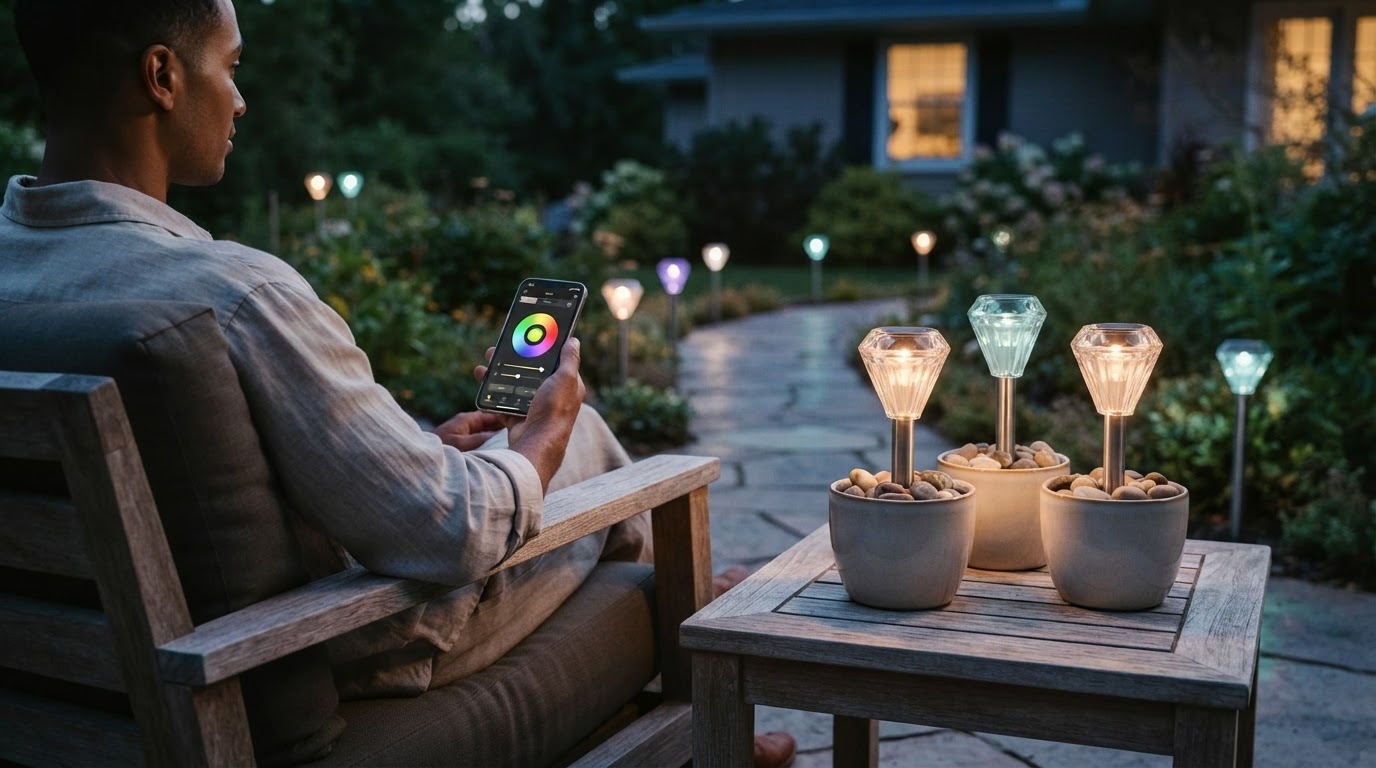
To effectively manage a smart solar installation, two axes matter here: the reliability of the wireless protocol and the granularity of the color spectrum provided by the application. Solar Garden Color Lights utilize a specialized mobile interface that allows for the synchronization of multiple units across a single property. The first axis, connectivity, focuses on the range between the solar hub and the individual fixtures, ensuring that commands for color shifts or scheduling are executed without latency. The second axis involves color precision, moving from basic presets to a full hex-code spectrum that provides millions of possible variations. The third axis is power management, where the app monitors battery levels and adjusts brightness to ensure the lights remain functional throughout the night based on the day's solar charge.
Once you see it this way, the complexity of managing a large garden becomes a streamlined task. The decision rule: prioritize systems that offer grouped control, allowing for the simultaneous adjustment of color changing solar pathway lights and multi color solar walkway lights to maintain a cohesive visual theme. For those who prefer tactile interaction alongside digital tools, the integration of solar path lights with remote control color provides a necessary redundancy. By utilizing the smart app, users can establish automated schedules that align with local sunset times, ensuring that the transition to night is seamless and hands-free. This level of oversight is essential for managing outdoor ambiance with Solar Garden Color Lights, as it prevents the visual clutter of mismatched hues across different zones of the property.
Expert tip: When setting up your smart app, group your fixtures by proximity to the Wi-Fi router or bridge to ensure consistent firmware updates and signal strength during inclement weather.
The transition to app-based management offers a level of customization that traditional timers cannot match, providing a future-proof solution for sustainable outdoor design. By applying a structured framework to these digital tools, homeowners can ensure their lighting remains both functional and aesthetically precise.
Shop Solar Garden Color Lights.