
Solar Garden Color Lights for Fairy Garden Design
 Priya RamanSenior Analyst
September 6, 2026. This analysis explores the technical and aesthetic integration of multi-color solar powered fairy garden lights into modern outdoor spaces. It serves as a resource for homeowners seeking to balance whimsical design with sustainable energy infrastructure.
Two axes matter here: the luminosity required for safety and the chromatic range required for atmosphere. When designing a fairy garden, the primary challenge is achieving a layered lighting effect without the logistical burden of hardwiring or the environmental cost of traditional battery systems. The decision to use solar-powered fairy garden lights multi color options often stems from a need for flexibility in remote corners of a yard where electrical access is non-existent. Without a structured approach, these installations can become cluttered or fail to provide the intended visual depth. Think of it as a matrix of placement density versus light output. A high-density placement of low-lumen lights creates a soft, ethereal glow, whereas sparse placement of high-intensity decorative color solar lights for yard serves to highlight specific architectural features or pathways.
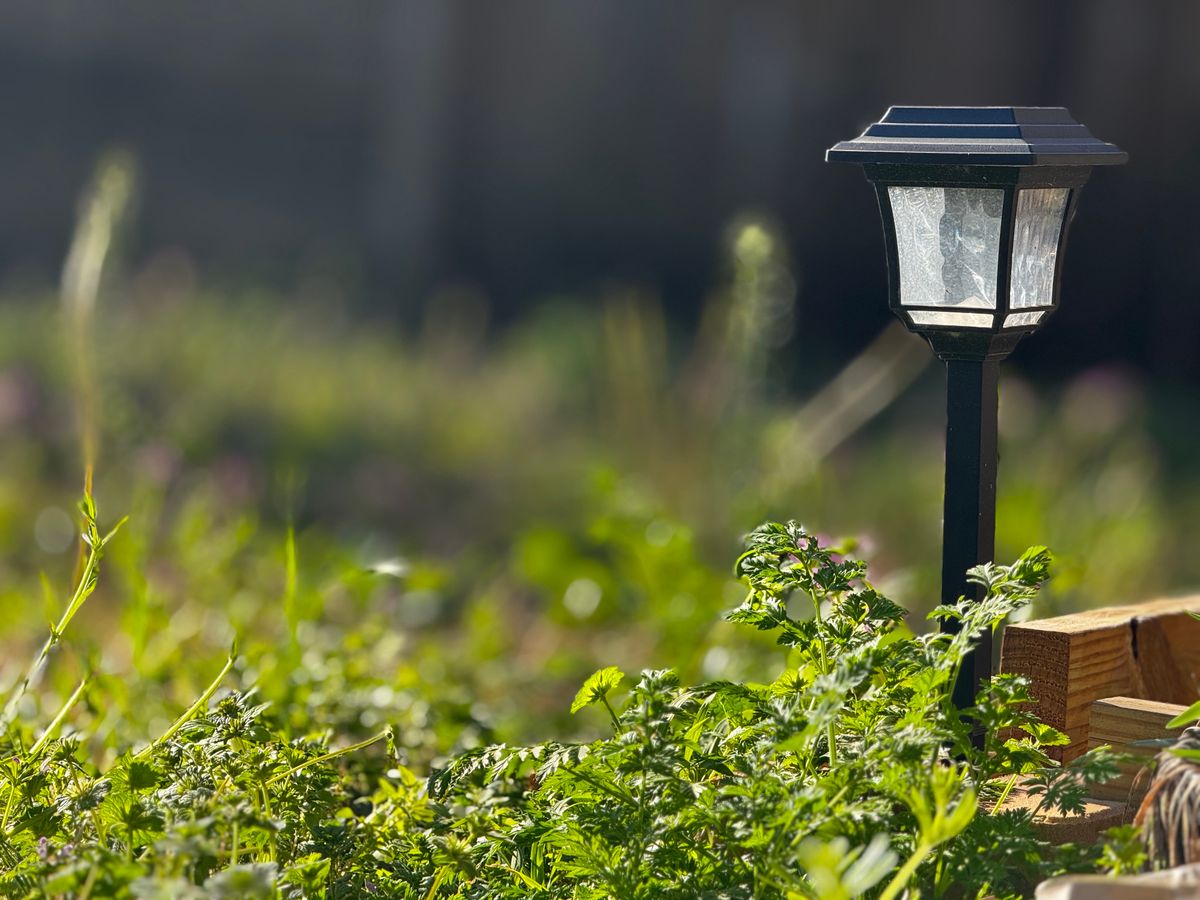
Photo by Amy k on Pexels
Solar Garden Color Lights addresses these challenges by utilizing high-efficiency photovoltaic cells designed to capture energy even in partial shade, a common occurrence in dense fairy garden setups. The hardware specifically targets the need for waterproof multi color solar lights, ensuring that internal circuitry remains protected during inclement weather. By integrating RGB solar technology, these units allow for a spectrum of transitions that mimic natural shifts in twilight. Once you see it this way, the distinction between simple illumination and intentional landscape art becomes clear. These systems often feature automated sensors that trigger activation at dusk, removing the need for manual operation. When combined with solar flower lights for garden decor, the multi-color fairy lights provide a secondary texture that fills the mid-ground of a flower bed. Furthermore, the use of solar powered rainbow garden lights can complement the fairy light strings by providing a consistent color baseline across larger areas. This layered strategy ensures that the garden remains a focal point well after sunset, utilizing stored solar energy to maintain a vibrant palette. The technical specifications of these units prioritize durability, using materials that resist UV degradation, which is critical for maintaining the clarity of the multi-color output over several seasons.
Selecting the appropriate lighting configuration requires a systematic evaluation of the site's environmental constraints and the desired visual outcome. The decision rule: prioritize waterproof ratings and battery capacity for year-round installations, while focusing on color transition modes for temporary seasonal displays. In areas with high moisture, such as near water features or in humid climates, the IP rating of the solar housing is the most significant factor in longevity. To ensure the best results when integrating these lights with the best solar lights for flower beds color, consider the following checklist:
- Verify the IP65 or higher waterproof rating to ensure resilience against rain and irrigation systems.
- Assess the solar panel orientation to guarantee at least six hours of direct sunlight for maximum color duration.
- Determine if the light string length is sufficient for the intended perimeter without creating excessive tension on the wire.
- Evaluate the color modes to ensure they align with existing outdoor solar lights for garden decor used on the property.
- Check for automated dusk-to-dawn sensors to minimize energy waste during daylight hours.
Shop Solar Garden Color Lights here: https://solargardencolorlights.com